Why Good Manners Still Matter in Modern Business: Lessons from Debrett’s

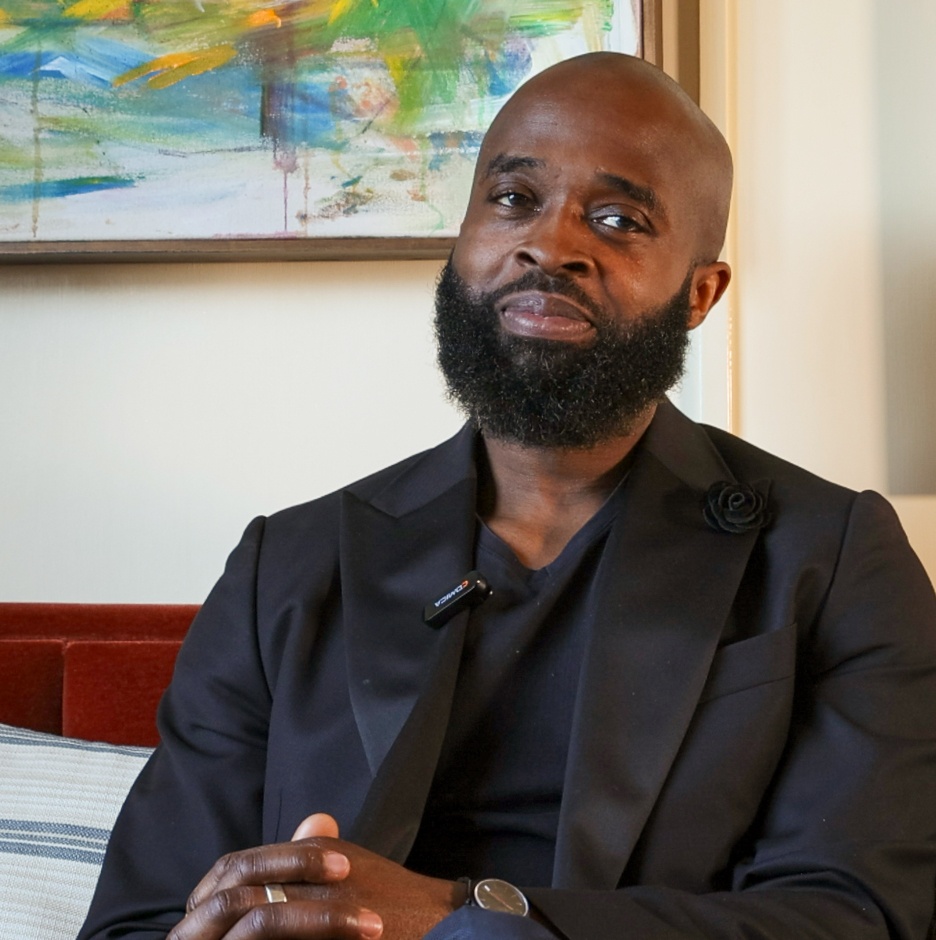
With more than 250 years of experience documenting Britain’s social landscape, Debrett’s offers a distinctive perspective on the importance of etiquette, relationships and human connection in business. We speak to partner James England about why good manners remain an essential part of professional success.

The Evolution of Business Etiquette
In an increasingly fast-paced business world, where technology, innovation and efficiency often dominate the conversation, the importance of good manners can be easily overlooked. Yet the ability to build trust, communicate thoughtfully and make others feel comfortable remains central to forming meaningful professional relationships. Few organisations understand the value of social conduct quite like Debrett’s.
For more than 250 years, Debrett’s has been associated with lineage, protocol and the finer points of etiquette. As publisher of the Peerage & Baronetage, the organisation has documented Britain’s titled families and their connections across generations, building a reputation for understanding the relationships and traditions that shape society.
Today, as part of the Maslow’s community, Debrett’s is applying that understanding to a more contemporary setting: the relationships that influence how people connect, collaborate and do business. Under the stewardship of partner James England, Debrett’s has expanded into financial services, advising entrepreneurs, management teams and business owners as they build, sell and steward wealth. Rather than a departure from its heritage, the move reflects an evolution of the organisation’s longstanding interest in people, influence and relationships.
Why Are Good Manners Important in Business?
For England, success in business is not determined by innovation or financial expertise alone. In competitive deal-making environments, the ability to understand others, communicate with confidence and establish genuine connections can be just as valuable. While financial analysis and commercial knowledge may create opportunities, it is often the quality of human interactions that determines how those opportunities develop.
“It’s a little old-fashioned, and not very hip, but I think a lot of successful interactions can be boiled down to good manners.“
In this context, good manners extend beyond traditional etiquette or knowing the correct way to behave in a formal setting. They are reflected in everyday actions: listening attentively, recognising the needs of others and creating an atmosphere where people feel respected and at ease. For investors and business leaders, England believes the most effective approach combines commercial rigour with an ability to connect on a personal level. Knowing when to be persuasive is important, but so is recognising when to step back and listen.
Building Meaningful Professional Relationships
In a world where networking is often measured by the number of contacts made, Debrett’s perspective offers a reminder that the quality of our interactions matters more than their quantity. Professional relationships are rarely built through a single conversation. They develop through consistency, mutual respect and the small gestures that demonstrate genuine interest in another person.
“I tend to remember people who’ve gone out of their way to make others feel comfortable.”

For England, leaving a lasting impression has less to do with outward appearances and more to do with how we make others feel. It is an understanding that resonates with the philosophy behind Maslow’s, where community is built around meaningful connections between individuals rather than professional introductions alone.
Across our Houses in Fitzrovia, Soho and Kensington, members from different industries and backgrounds come together through shared spaces, cultural programming and everyday interactions. These opportunities encourage relationships to develop naturally, creating an environment where people can connect beyond their job titles and professional responsibilities. Much like Debrett’s approach to business etiquette, the emphasis is on recognising the individual behind the professional identity and understanding that genuine relationships are built through attentiveness, consideration and trust.
Three Lessons in Business Etiquette from James England

Put Others at Ease
Making people feel comfortable can have a meaningful influence on professional interactions. Whether meeting a potential business partner, negotiating an agreement or welcoming someone into a new environment, creating a sense of ease helps establish trust and encourages open conversation.

Know When to Listen
Successful communication requires more than confidence and persuasion. The ability to listen, understand different perspectives and respond thoughtfully is equally important. For England, the best investors balance commercial rigour with polite charm.

Be Remembered for How You Make Others Feel
A lasting impression is rarely about appearances alone. Taking a genuine interest in someone, remembering personal details and making them feel valued can be more meaningful than any carefully prepared introduction.
The Lasting Value of Human Connection
As business continues to evolve, the principles that underpin strong relationships remain remarkably consistent. Technology may transform how we communicate, and industries may change the way they operate, but the ability to listen, show consideration and build trust continues to shape the relationships behind successful businesses.
For Debrett’s, more than two centuries of understanding social conduct offer a valuable perspective on the modern professional world. Good manners are not simply a reflection of tradition; they are an enduring part of how meaningful relationships are formed. And at Maslow’s, where community and connection are central to the experience of our Houses, that philosophy feels particularly relevant.
Discover the people, perspectives and conversations shaping our community. Explore Maslow’s membership and become part of a place where meaningful connections are made.