Why Community Is Essential to Wellbeing and Performance
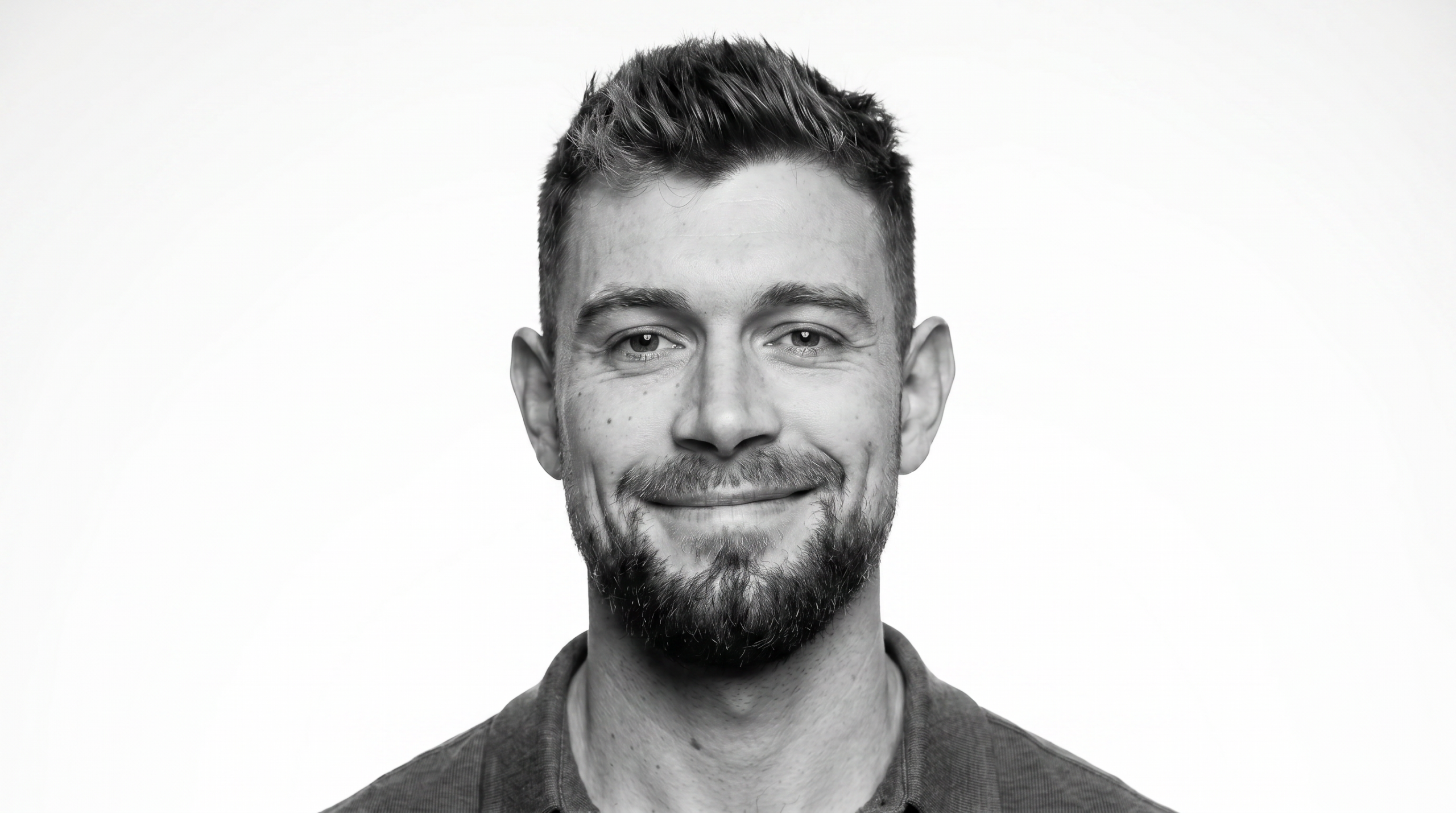
From stronger relationships to sustainable performance, a sense of belonging can shape how we experience work. We explore the importance of community at Maslow’s and speak to Henry Cheetham about the lessons he has learnt from professional rugby, UK Special Forces and coaching high-performing individuals.
The Power of Belonging at Work
We spend a significant part of our lives working, yet the value of a workplace extends far beyond the tasks we complete or the goals we achieve. It is also shaped by the people we meet, the relationships we build and the sense of connection we feel to those around us. Whether through a conversation over coffee, a shared experience or a familiar face encountered throughout the week, these everyday interactions can transform a workplace from somewhere we simply spend time into somewhere we genuinely feel we belong. And increasingly, research suggests that this sense of belonging has implications beyond our social wellbeing. A study by BetterUp, published in 2019, found that employees reporting a strong sense of belonging also reported 56% higher job performance and a 50% lower risk of turnover compared with those experiencing weaker connections.
Similarly, Gallup’s research into workplace friendships identifies meaningful relationships as an important part of employee engagement, communication and commitment. Its findings suggest that the relationships we form at work can influence not only how we feel about our roles, but also how effectively we collaborate with others. Together, these findings point towards a broader understanding of workplace wellbeing, one in which meaningful human connection is not simply a pleasant addition to the working day, but an important part of creating environments where people can thrive.
Community at the Heart of Maslow’s
At Maslow’s, this belief has always been central to our philosophy. Inspired by Abraham Maslow’s hierarchy of needs, which recognises belonging as a fundamental human motivation, our Houses are built around the idea that personal and professional fulfilment are closely connected.
Rather than viewing a workplace simply as a collection of desks, meeting rooms and facilities, Maslow’s brings together a community of individuals from different industries, disciplines and backgrounds, creating an environment where relationships can develop naturally and extend beyond professional interests.
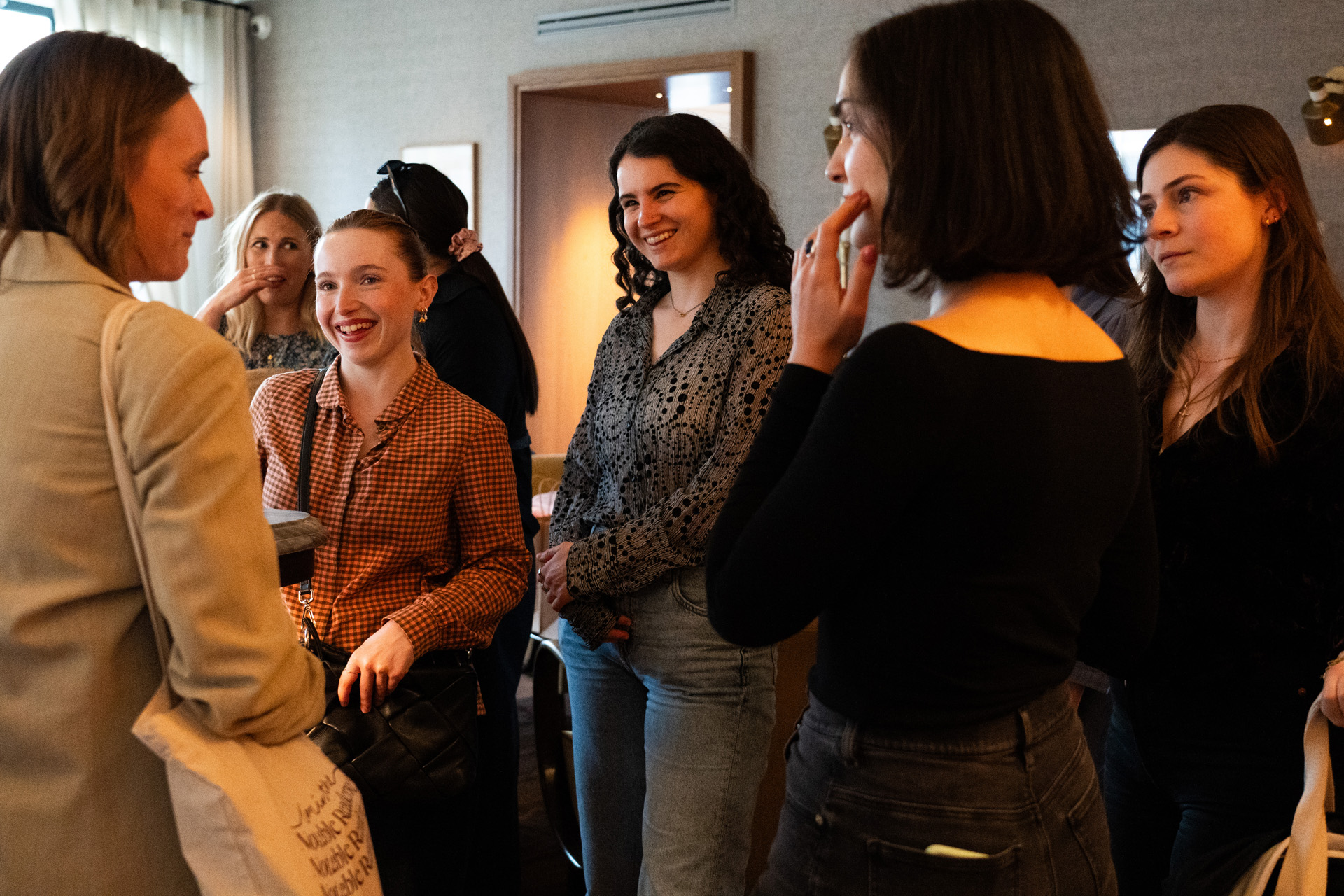
Across our Houses in Fitzrovia, Soho and Kensington, thoughtfully designed communal spaces encourage the everyday interactions that make a community feel familiar. Members might find themselves exchanging ideas over lunch, discovering shared interests during a cultural conversation or connecting with someone new through our programme of events and experiences.
Our programming is an important part of this approach, bringing members together through conversations with founders and creative thinkers, cultural experiences, wellbeing sessions and opportunities to explore new perspectives. These moments create space for connections that might not otherwise happen within the boundaries of a traditional working environment. Yet belonging is not necessarily created through organised experiences alone. Often, it develops through the smaller, less deliberate moments: recognising someone across the room, continuing a conversation from the previous week or simply feeling comfortable spending time in a space surrounded by familiar faces.
For Maslow’s, the value of community lies in creating an environment where individuals feel welcome, connected and able to be themselves, while still having the freedom to work, create and pursue their own ambitions. It is an understanding of belonging that resonates closely with the experiences of Henry Cheetham, whose work across professional sport, UK Special Forces and executive performance has shaped his perspective on the relationship between connection, wellbeing and long-term success.
What High-Performing Teams Can Teach Us About Belonging
In 2014, Henry Cheetham arrived in New Zealand aged 24 to join a rugby team, knowing almost nobody. His first impressions left him wondering whether he had made the right decision. Within two weeks, after deep-sea fishing in the Pacific, hiking, mountain biking and evenings around a campfire, he felt a sense of belonging he had rarely known outside his closest friends and family. No formal introductions or social programme got him there. He felt welcomed, valued and included as an individual. That experience still shapes how Henry thinks about community. Through his work with UK Special Forces, professional athletes and senior business leaders, he has looked at what separates those who perform exceptionally from those who sustain it. His view is that discipline and ambition are only part of the answer. The habits, relationships and environments around us matter just as much to long-term wellbeing.
In Conversation with Henry Cheetham
Having worked with UK Special Forces and professional athletes, what have you learnt about the difference between achieving peak performance and sustaining it over time?
When I started working with UK Special Forces, I expected them to be some of the highest performers on the planet. Able to perform anytime, anywhere. Plenty were, but they weren’t necessarily the ones who lasted. I’d assumed durability followed ability, that whoever performed best would last longest. I was wrong. Looking back, I saw four patterns, which I’d also seen in professional sport: the ‘Sustainable Operator’ (high performance AND durability), ‘Running on Reserves’ (high performance, low durability), the ‘Warning Light’ (decreasing performance, low durability), and the ‘Untapped Engine’ (low performance, high durability).
What set the ‘Sustainable Operators’ apart wasn’t more discipline. It was that they knew what was going on at home. They had an identity outside the job. Had worst-case contingencies for the hardest days, weeks and quarter. Most importantly, they looked after themselves when no one was checking. Through working with some of the highest performers out there, I’ve come to believe that ‘the cost of doing business’ is often unnecessary. Excellence doesn’t have to cost you the other areas of your life. In my opinion, it works the other way around: your health and relationships are what let you stay at the top long enough to realise your full potential. That’s why the Sustainable Operators often ended up outperforming those who had outshone them early on. It’s simply harder to do without a system in place. The executives and partners I now work with face the same threats as senior military leaders: long hours, frequent travel, high-stakes decisions, late client dinners, disrupted sleep and time away from family. Without the right system in place, all of them wear down the physiology that performing for decades depends on.
When you develop the principles behind the best teams, what did you find belonging was built from? Do people confuse belonging with fitting in or just having a good social culture?
It’s a great question. I do think people often confuse belonging with ‘fitting in’. Fitting in means changing yourself to be accepted. Belonging means being accepted as you are. A good social calendar helps, but on its own it’s just activity. In 2014, I landed in New Zealand as a jet-lagged 24-year-old, knowing no one except the rugby team I was joining. I collected my bag from a corrugated iron shack by the airport car park, and arrived to find a goat tied up outside the house next door. I messaged my family saying “I think I’ve made a big mistake.”
Yet within two weeks, I felt a deeper sense of belonging and connection to that team and community than any I’d felt before, outside close friends and family. My welcome included deep-sea fishing in the Pacific, hiking and mountain biking in the South Island mountains, and evenings around a campfire. None of it was company drinks or values on a wall. And no one ‘had’ to do it. It was just what people did, and made me feel valued, safe and a part of something. What I’ve found is that people don’t just join a team or company for its mission, or its culture. They join to have their needs met, and they leave when they aren’t. Once their financial needs are met, people start weighing up the others.
Could you explain how your relationships and connections with peers contribute to the biological age gap?
We’re living through what the US Surgeon General called an epidemic of loneliness, and the health cost is real. His 2023 report found that the risk of early death from social isolation is comparable to smoking 15 cigarettes a day. For the executives I work with, connection outside work is usually one of the first things to go. The hours, the travel, and the responsibilities at home leave little room for anything else, so friendships quietly slip.
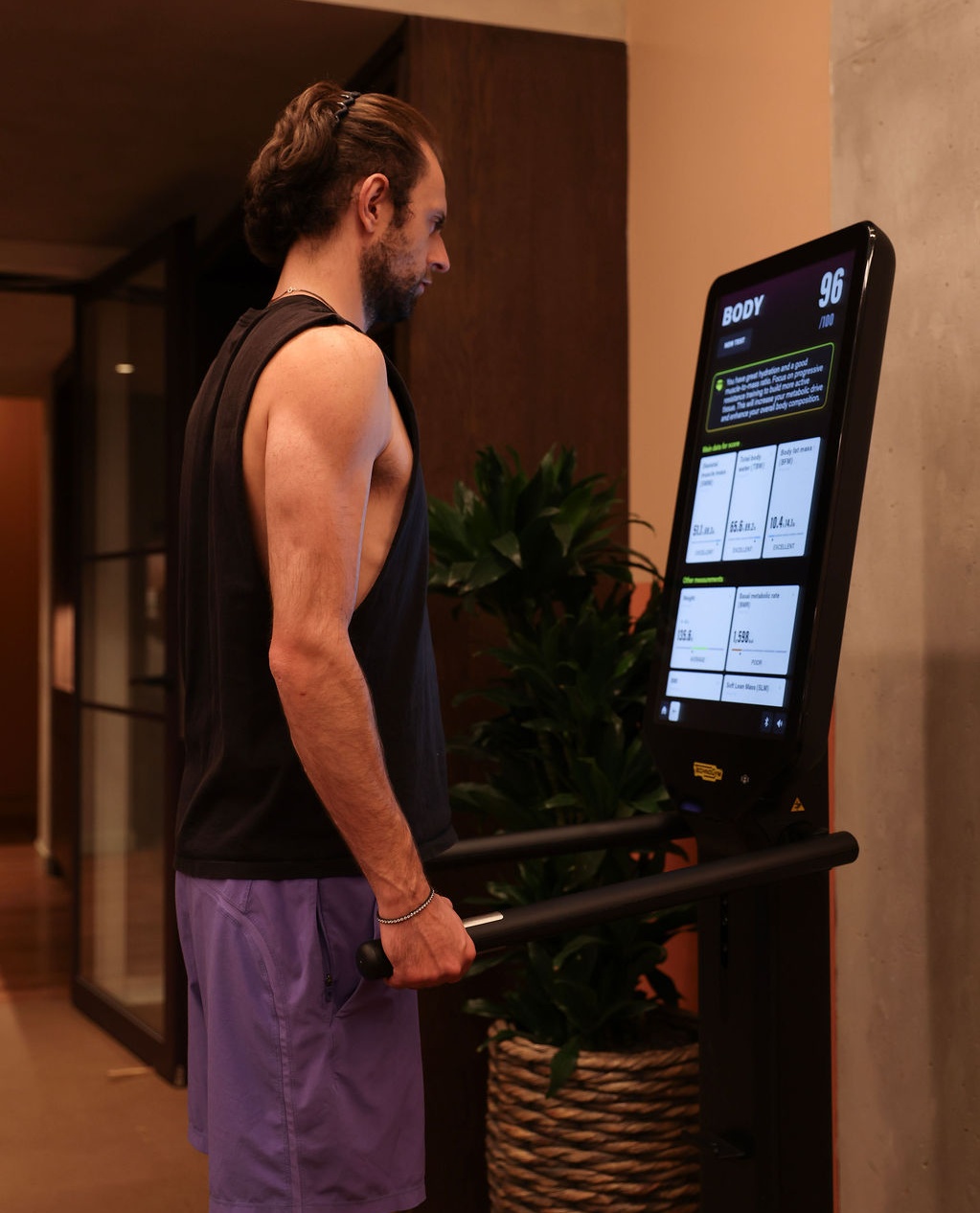
That’s why I put so much value on a “third place”, a term coined by the sociologist Ray Oldenburg. It’s somewhere that isn’t home (first place) or work (second place), where you show up not as a partner, a parent or a boss, but simply as yourself. Often, people there don’t know what you do, and likely don’t care. It protects your identity as a person, rather than letting your identity as a leader, spouse or parent become all consuming. For many people, a members’ club like Maslow’s can be exactly that third place. When I run diagnostics with clients, we look at the quality of their relationships, alongside bloods and other data. This enables us to understand how many years their current lifestyle may be adding to their biological age. That difference between your actual age and how fast your body is ageing is known as the biological age gap. Strong relationships are among the most powerful factors linked to not just living better, but living longer, so they’re one of the first places we look when working to close it.
High performance is often associated with discipline and pushing beyond our limits. You have a different take on it. Could you please explain?
It may sound odd coming from someone who’s coached Special Forces, but I believe discipline to be unreliable, inefficient and overrated. Unreliable because in times of stress, science shows we don’t rise to the level of our discipline or willpower, we fall to the level of our habits. Inefficient because continually relying on discipline requires a huge amount of mental energy, which is required for your actual work. The combination of these two factors is why I believe it to be overrated.
What people often see as “hyper-discipline” in Special Forces operators is really a set of habits, driven by two things: their identity and their environment. Pushing further than almost anyone else and staying exceptionally fit is simply part of what it means to be an operator, and they’re surrounded by people with the same extremely high standards. Acting any differently would create cognitive dissonance, which is arguably more uncomfortable than doing the hard thing. So several of the things the general population find hard, they find easy. I’ve also seen operators be some of the most disciplined people in the world in some areas, and some of the least in others. Research points the same way, showing those with the most discipline seem to rely on it the least. They’ve built a system that shapes their identity and environment so the hard thing becomes the easy thing. Ironically, requiring very little discipline at all. If you’re a high performer in your field, you likely already have more discipline than most people. This, in itself, shows it’s rarely the problem, or the answer. My message is simple. Rather than trying to be more disciplined, which is unreliable and inefficient, build a system that does the work for you.
At Maslow’s, we believe that strong community is closely connected to how we perform at work. How does this translate to your personalised system that stabilises the physiology?
Maslow’s put physiological needs at the base of his hierarchy, including sleep, food, and rest. But in practice, we’ve evolved to be highly social creatures. It’s therefore impossible to understand our physiology in isolation, and to separate our physiology from the people around us.
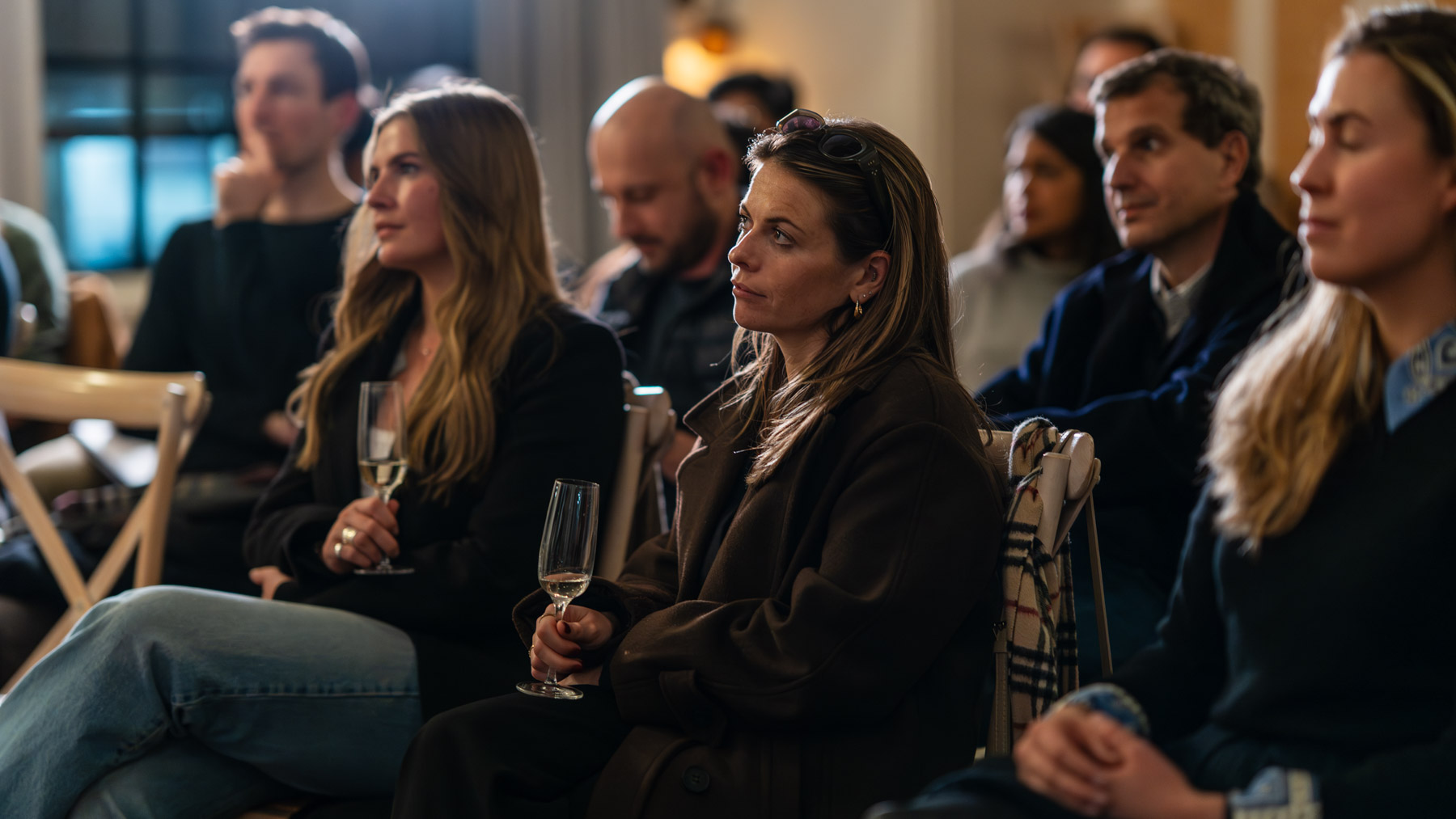
Connection is one of the strongest buffers we have against stress. When relationships thin out, the body carries more of the load. Sleep suffers, recovery slows, and pressure that should pass starts to linger. So when I build a system with a client, relationships aren’t a side topic. Alongside sleep, exercise, movement, nutrition, travel, work patterns, daily routines, and stress, we look at who they’re connected to, how present they are with them, and how much of their identity sits in each area of their life.
Community also shapes behaviour more powerfully than willpower ever could. We know that around 40% of our daily behaviours are habits, largely driven by our environment without us realising it. That’s part of why Special Forces operators find hard things easy. They’re surrounded by people who do them as standard. Strong communities don’t just make us feel better, they make good habits easier. Which is a crucial component towards performance lasting decades, rather than seasons.
For ambitious professionals who feel constant pressure to achieve more, what are the behaviours you believe could make the greatest difference to their long-term performance and wellbeing?
I’m careful not to impose my beliefs and values on others, including my clients. We’re all on a journey, and none of us has it fully figured out. Having said that, here are my suggestions.

Understand what’s driving the need for more
Is it coming from insecurity, a feeling of not being enough that fuels a need for status, or from genuine curiosity about what you’re capable of? I think of this as moving from a threat mindset to an opportunity mindset. In a threat mindset, we run on stress hormones, adrenaline and coffee, which drain us over time. With an opportunity mindset, we release a whole host of energising chemicals, including dopamine, that help fuel durable high performance.

Play the long game
As ambitious people, we tend to hugely overestimate what we can achieve in a few months, and greatly underestimate what we can achieve in a year or more. Even if your goal is a three-to-five-year sprint to an exit, followed by margaritas on a beach, you need to show up day after day, quarter after quarter, year after year. That is arguably the hardest part.

What got you to the top won’t keep you there
Being seen as the hardest worker in the room and producing the most output often gets you promoted. But as you become more successful, you go from being judged on output to being judged on judgement. A leader’s job is to make a smaller number of higher quality decisions. Yet the operating system that got you to the top won’t necessarily keep you there, or take you where you want to go.
Discover a place where work, wellbeing and meaningful connection come together. Explore membership at Maslow’s and become part of our community.