Maslow's Kensington is Now Open

How does art in the workplace improve wellbeing?


Art in the workplace can do more than enhance the appearance of a space. Research suggests that thoughtfully designed environments incorporating art can support emotional wellbeing, reduce stress and create conditions that encourage focus and creativity.

A study by the University of Exeter found that employees working in office environments enriched with plants and pictures were 17% more productive than those in functional, undecorated spaces. Beyond productivity, a 2019 report by the World Health Organization reviewed evidence from more than 3,000 studies, highlighting the role of the arts in supporting mental and physical wellbeing.

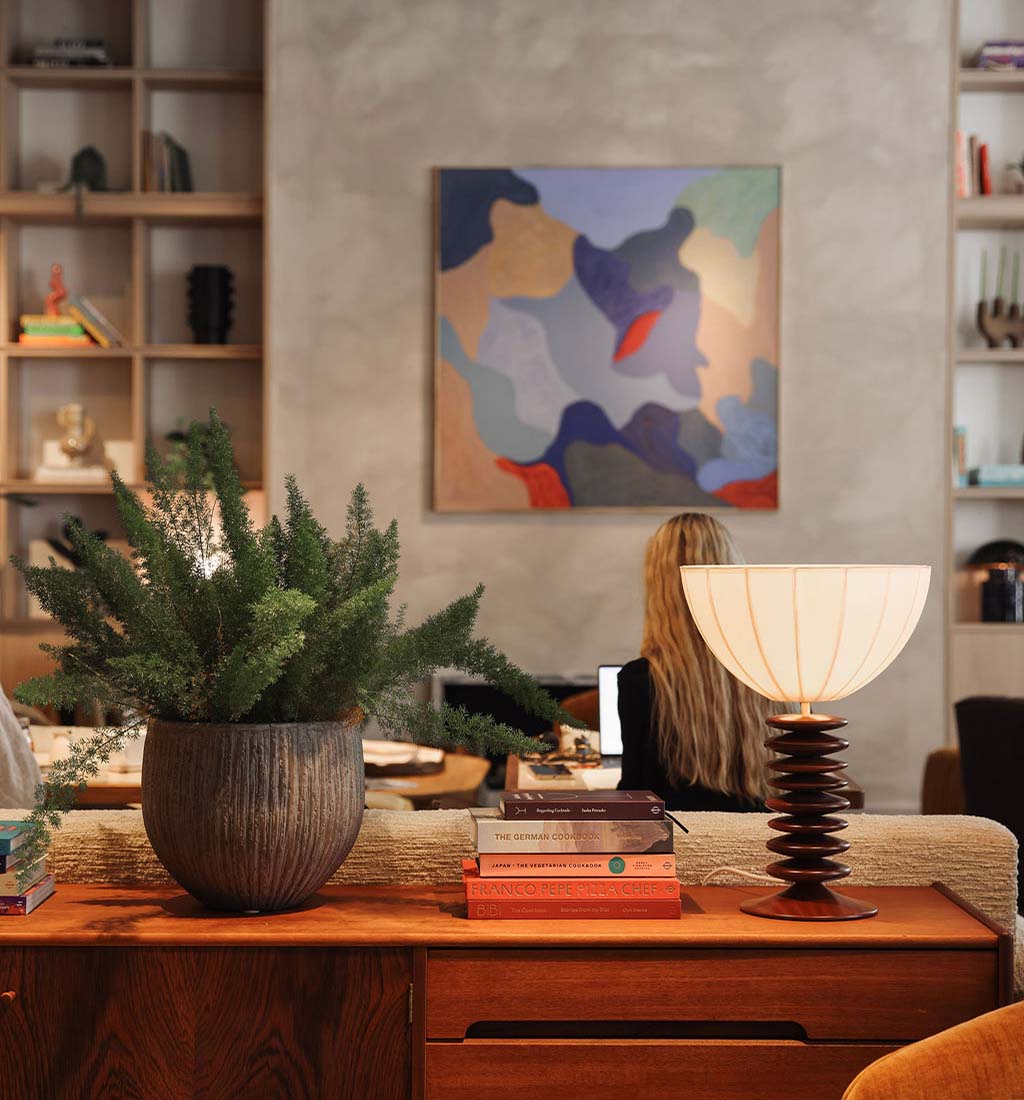
At Maslow’s Kensington, these ideas are reflected in the House’s approach to design. Original artworks, murals and textile installations are woven into the everyday environment, creating opportunities for reflection, visual discovery and moments of calm throughout the working day.
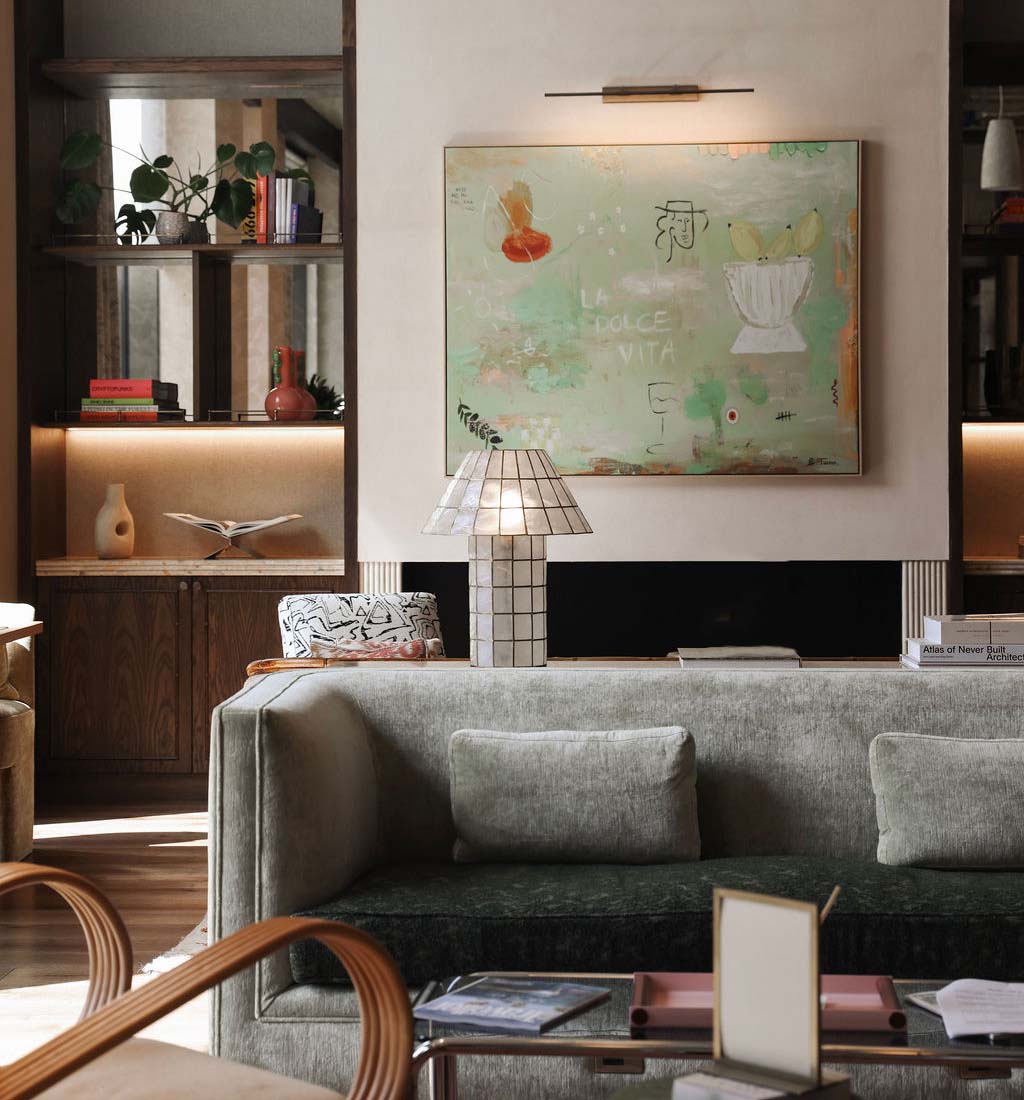
For Amie Mercer of Studio Mercer, who worked with the Maslow’s design team, creating a House that feels comfortable is about much more than choosing the right colour palette.

“There’s nothing more hospitable than making somewhere feel like your home and be that comfortable.”

That feeling is created through a collection of details: the flow of a room, architectural moments, scent, tactile materials, planting and art. As Mercer explains, art is an important layer of this experience. It can bring character to a room, introduce colour and texture, or simply give the eye somewhere else to go after hours spent looking at a screen.

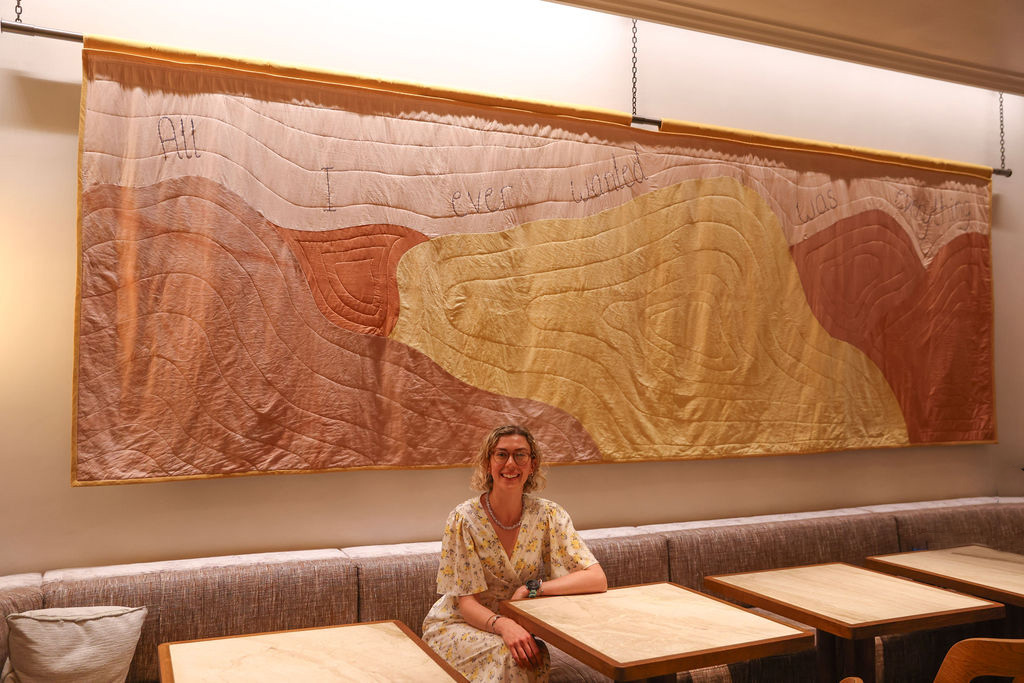
Textile installation by Alice Burnhope at Maslow's Kensington

It’s an experience recognised by Giles Coren, award-winning journalist, author, broadcaster and long-standing restaurant critic for The Times. As a writer whose working day depends on having the right environment to think and focus, he describes Maslow’s as offering something equally important alongside productivity: a sense of calm.

“As well as being a place of huge productivity, I come for a place of calm… It’s in the architecture, it’s in the plants that are around, it’s in the smell of the wood. I come in and I go, ‘ah’. And then I also work.”

It’s a useful reminder that productivity and wellbeing don’t necessarily need to compete. The right working environment can make room for both.

Art at Maslow’s Kensington


This philosophy runs throughout Maslow’s Kensington, where art has been incorporated into meeting rooms, corridors, communal spaces and architectural features rather than confined to a traditional gallery setting.

Each artist brings something different to the House.

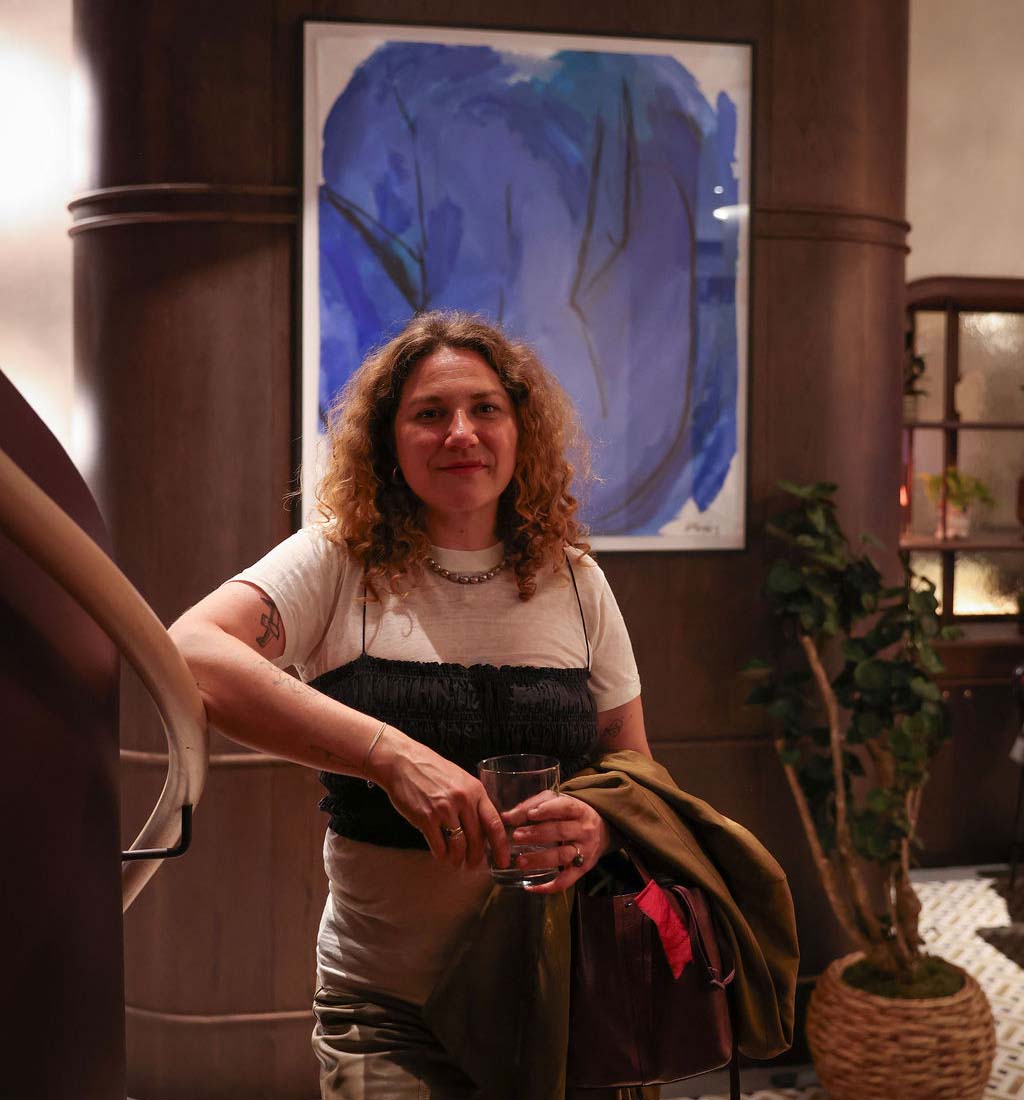
Sculptor and fine artist Ana Kerin of KANA London created Blue Lady, the statement painting beside the circular stairway. Its scale and positioning make art part of the experience from the moment you move through the House.

London textile artist Alice Burnhope takes a more tactile approach. Her 4.5-metre installation in the Pied-à-Terre uses naturally dyed, reclaimed fabrics, bringing softness, texture and craft into the space.

Photographer Liam Cotter, meanwhile, looked beyond the building itself. His bespoke photography series captures Kensington and the streets of West London, creating a visual connection between the House and the neighbourhood around it.

But perhaps the clearest relationship between art, wellbeing and the working mind can be found in the murals of Elsie Agnew.

What is neuroaesthetics and how does it influence workplace design?


The spaces we spend time in can influence how we think, feel and respond to our surroundings. Neuroaesthetics explores how the brain processes aesthetic experiences, including our responses to art, colour, pattern and form. In workplace design, these ideas encourage us to consider not only how a space functions, but how its visual environment might support focus, creativity and emotional wellbeing.

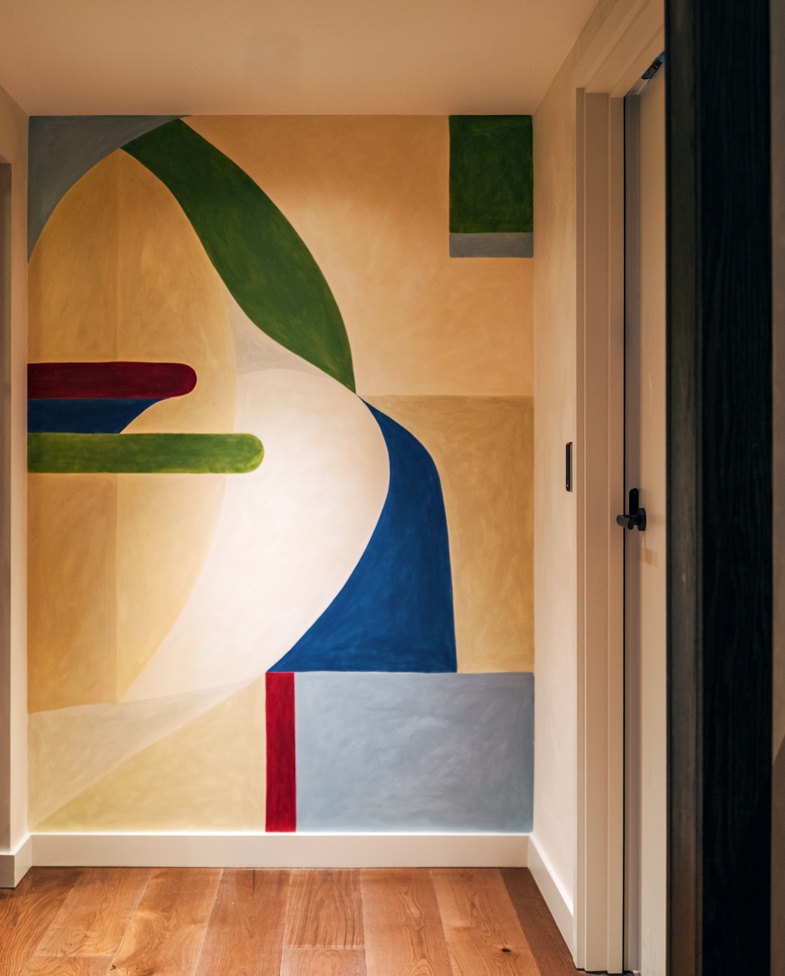
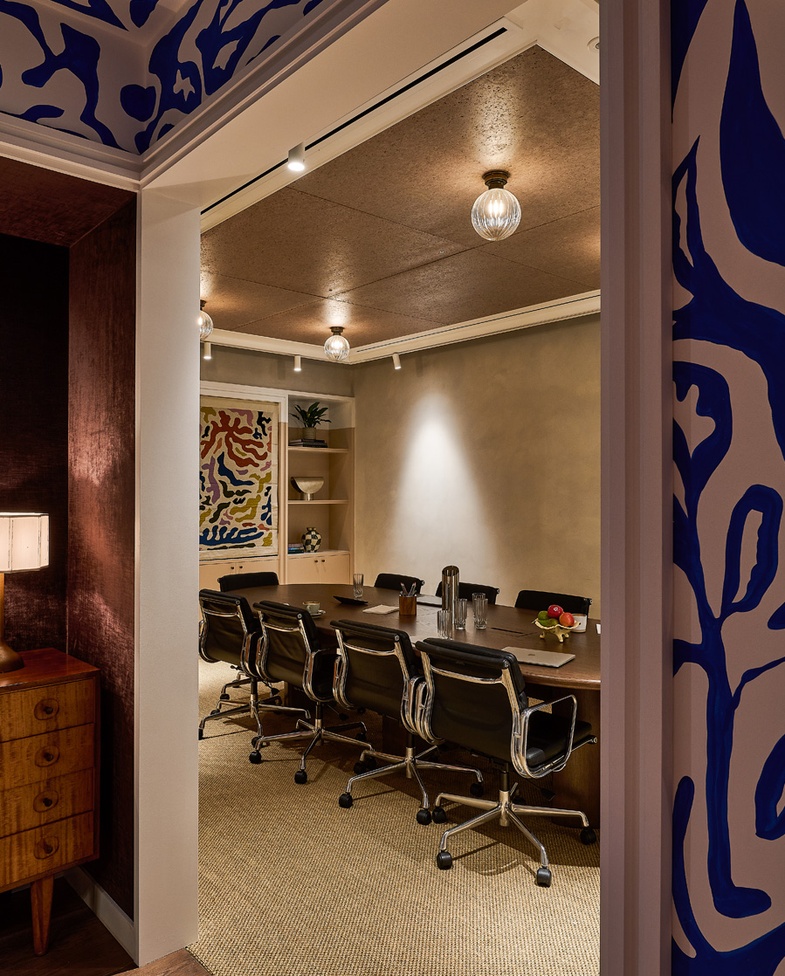
For London-based mural artist Elsie Agnew, this thinking shaped her approach to the artworks commissioned for Maslow’s Kensington. Rather than creating pieces purely for decoration, she considered how people would encounter each work throughout their working day. One of her blue patterned murals sits immediately before a meeting room. Its layered geometric patterns and flowing forms are designed to reveal new connections the longer someone looks, encouraging curiosity and sustained attention. The blue palette was chosen to create a sense of calm while maintaining visual interest.

“I wanted the piece to engage viewers in a way that evolves over time… helping people transition into a more open and imaginative state of mind.”

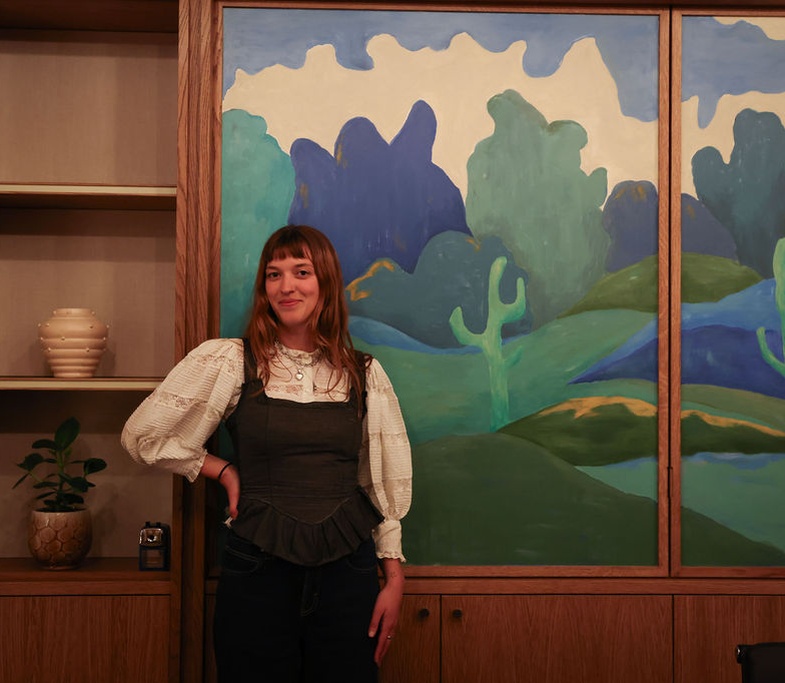
Elsewhere, Agnew transformed a set of sliding doors into an immersive landscape, designed to feel both grounding and transportive. In one of Kensington’s corridors, her approach changes again. Soft colours and flowing lines introduce a gentler rhythm into a space usually passed through quickly, offering what she describes as “a moment of visual rest.”

This thinking is particularly relevant to the meeting rooms at Maslow’s Kensington, where art forms part of an environment designed for focus, conversation and collaboration. Rather than separating workplace functionality from the way a room feels, considered interiors and original artwork sit alongside the practical infrastructure needed to host a meeting.

Whether you’re gathering a team, presenting to a client or working through ideas together, the intention is to create a space where the surroundings support the conversation.

Bringing art into Maslow’s community


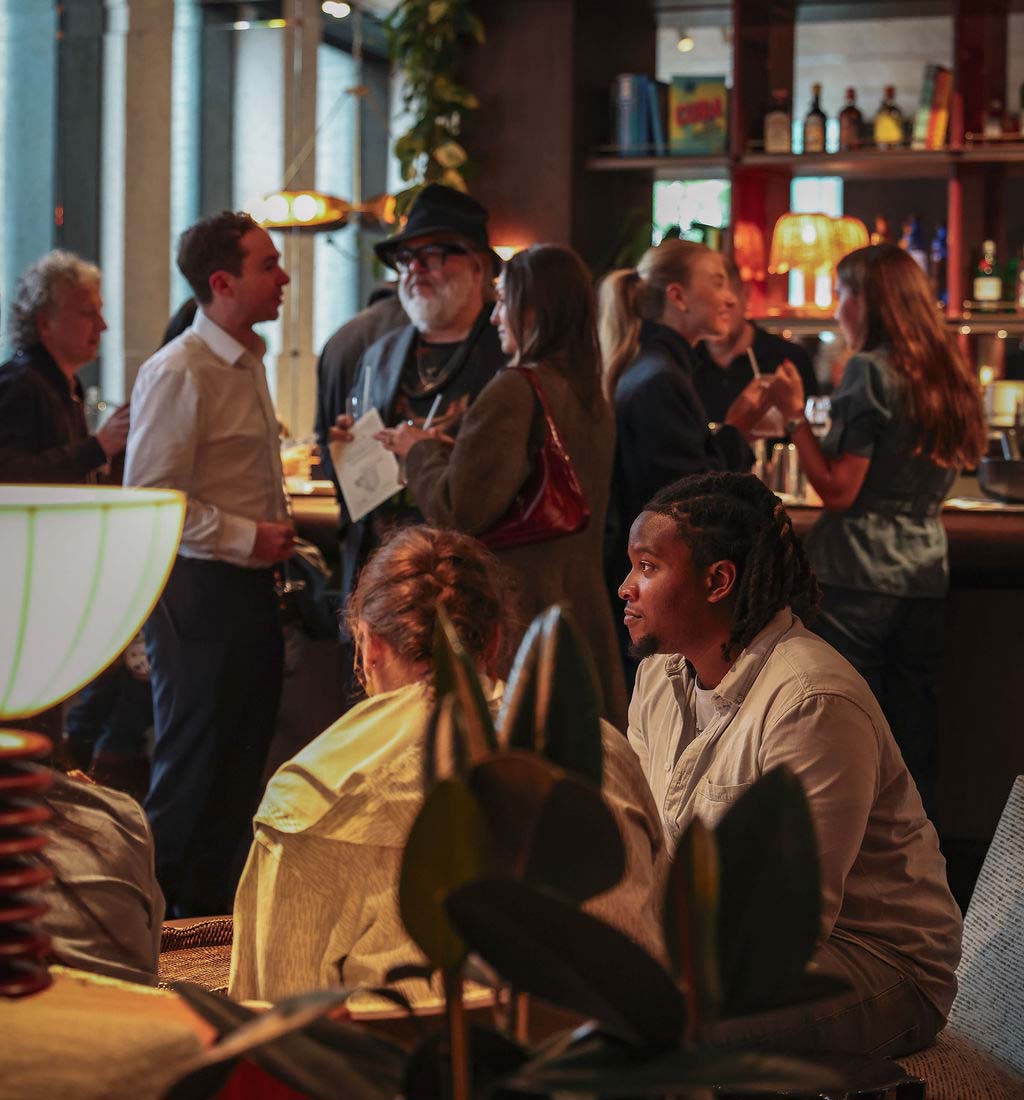
Art at Maslow’s extends beyond the walls and into the Houses’ cultural programming. In June, Nimi Collective and Fitzrovia art bar Hidden Society transformed Oria Café into a space for art, creativity and conversation.

During Frieze London, art comes to the table. On 15 October, Maslow’s Table welcomes Stephanie Crosland-Goss, co-founder of Interrupted Art and Goss & Husband. Drawing on 15 years of advising private collectors and global institutions, including leading art acquisitions for Tate, Stephanie will share practical advice on starting and growing an art collection over Maslow’s signature sharing-style lunch.

Spaces are limited to 20 members and guests.

Making creativity part of the working day


There is no single element that creates a great place to work. It is the combination of light, material, comfort, nature, art and the people around us that determines how a space ultimately feels.

At Maslow’s, art forms one part of that wider approach to wellbeing in the workplace.

Sometimes it provides visual stimulation before a meeting. Sometimes it offers a moment of calm between tasks. And sometimes it becomes the reason people sit down together over lunch and start a conversation.

Because art doesn’t only change the way a workplace looks. At its best, it can change the way we experience being there.

Are you an artist, curator or creative organisation interested in working with our community?

Thank you for submitting your enquiry, we’ll be in touch soon.

There was an error with the form. Please check and try again.

This site is protected by reCAPTCHA and the Google Privacy Policy and Terms of Service apply.